EN1888 Baby Stroller Safety Standard: Complete Guide for Importers (2026)
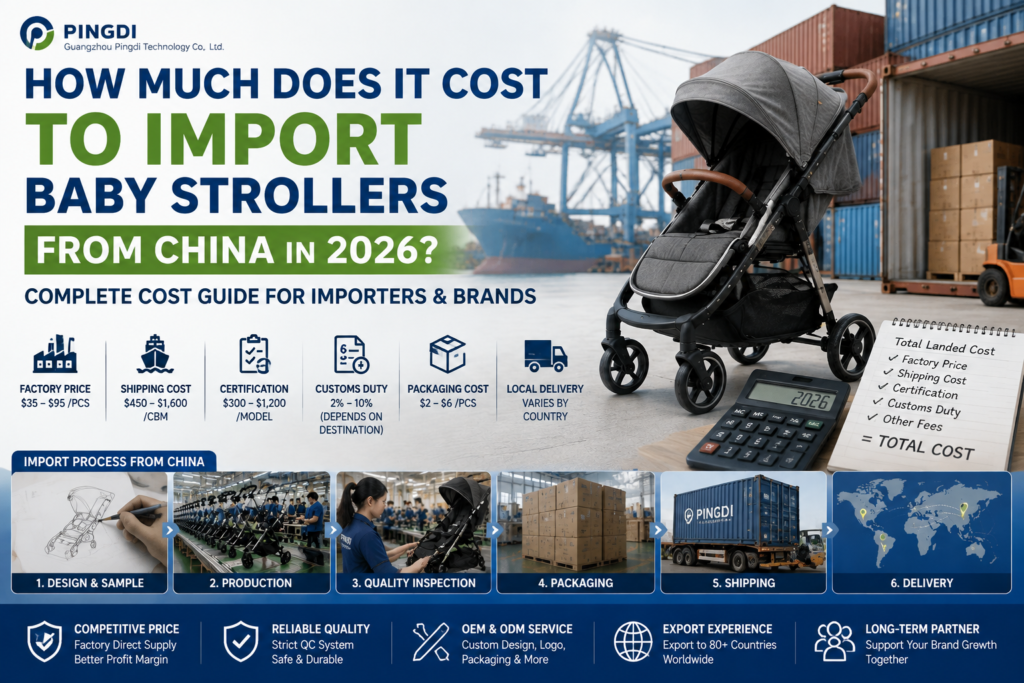
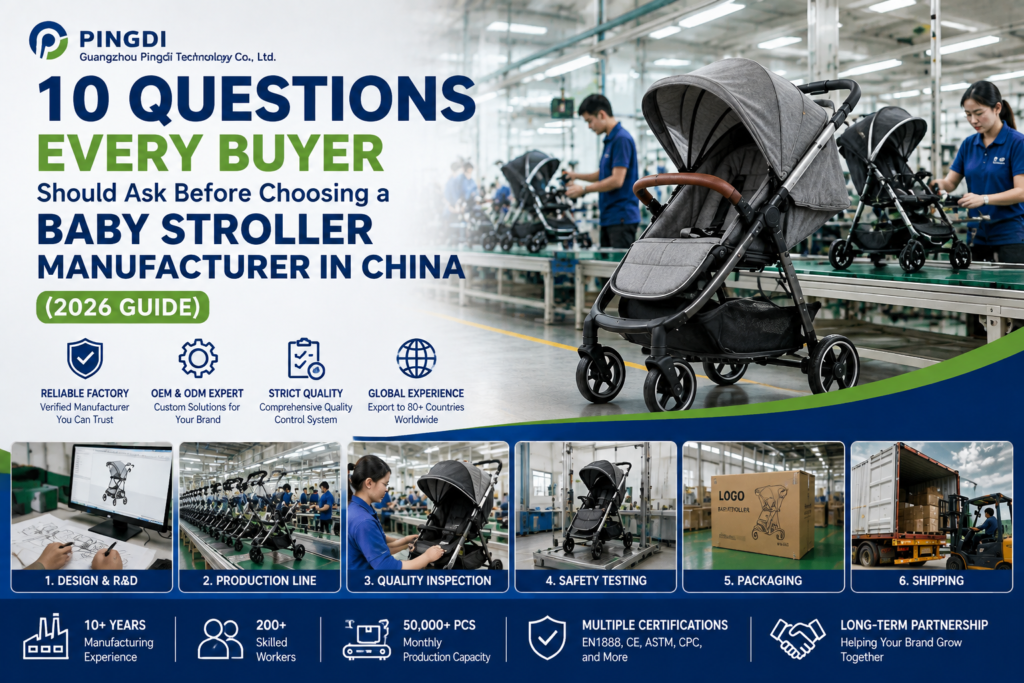
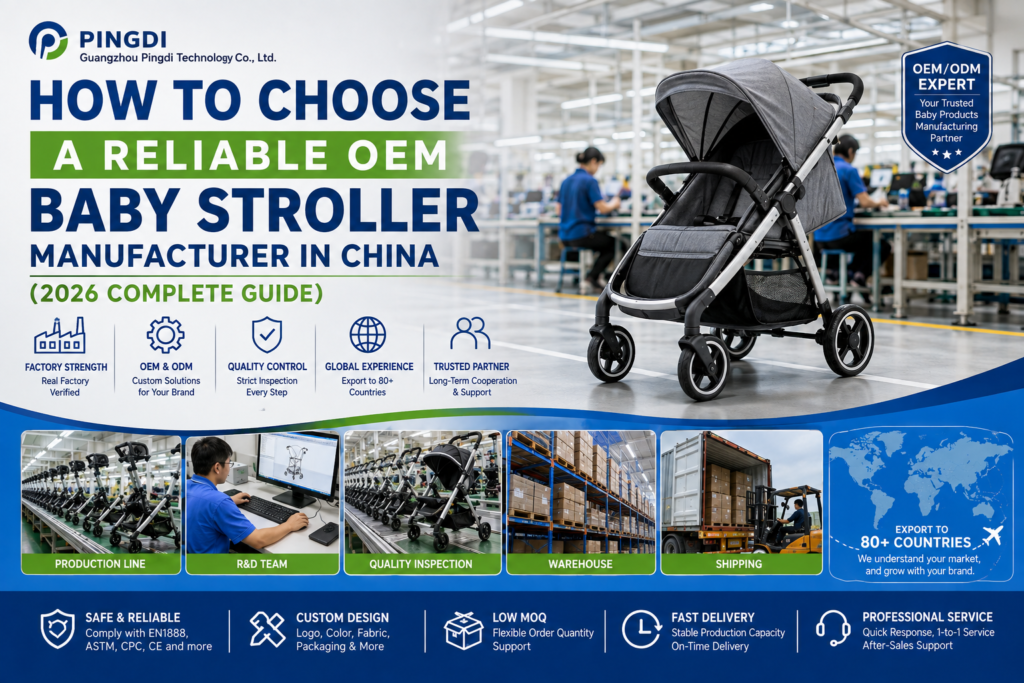
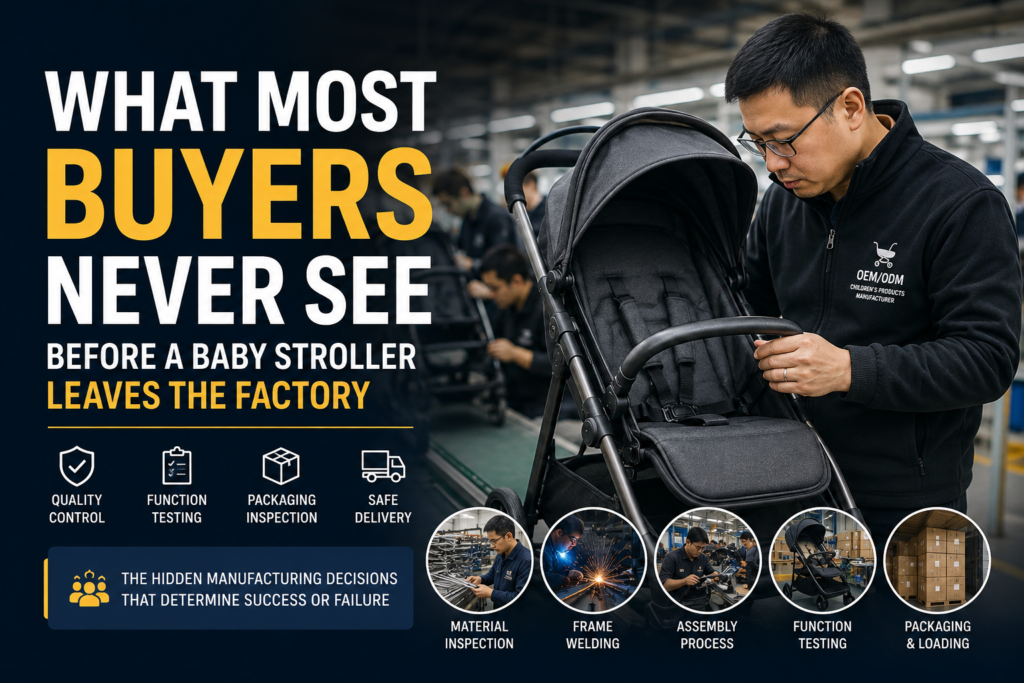
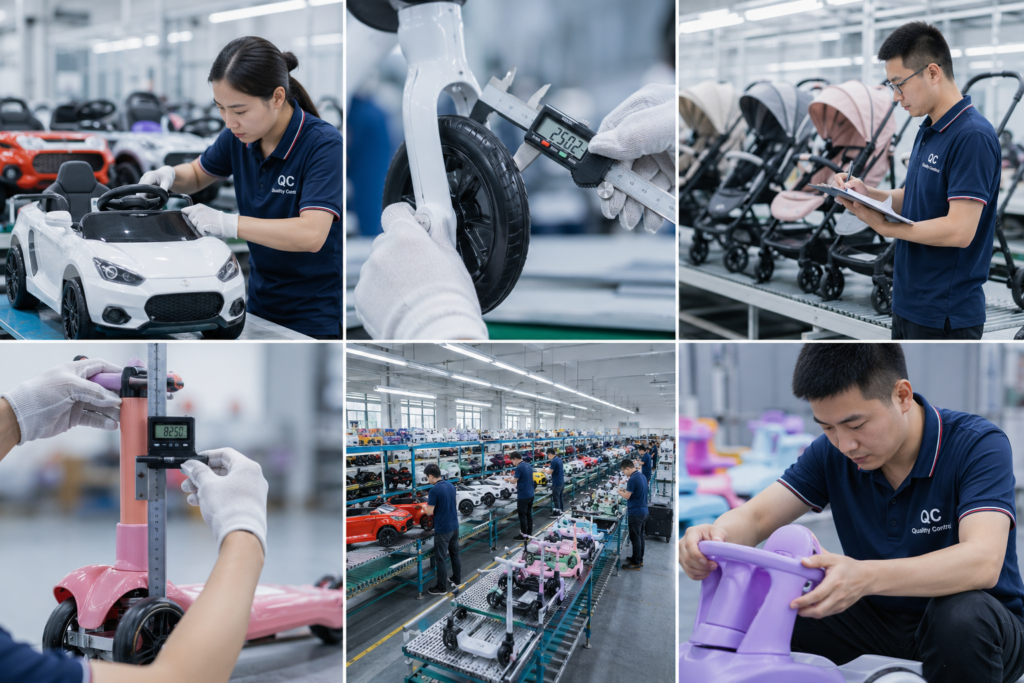
Introduction: Why EN1888 Compliance Matters for Baby Stroller Importers When importing baby strollers into Europe and other international markets, safety compliance is one of the most important factors every buyer must consider. A baby stroller is not simply a consumer product. It is a product directly related to infant safety, daily use, and family trust. For this reason, professional importers, retailers, and baby product brands carefully evaluate whether a manufacturer understands international safety standards before starting cooperation. Among the most recognized stroller safety standards worldwide, EN1888 Baby Stroller Safety Standard plays a critical role, especially for products entering European markets. A reliable OEM Baby Stroller Manufacturer China should understand: This guide explains what EN1888 means, what importers should know, and how to choose a reliable manufacturing partner. What Is EN1888 Baby Stroller Safety Standard? EN1888 is a European safety standard specifically developed for wheeled child care products, including: The standard focuses on ensuring that products are safe, stable, durable, and suitable for daily use. For European buyers, EN1888 compliance is an important factor when selecting a: Why EN1888 Is Important for Importers Choosing a manufacturer without proper safety knowledge can create serious risks. Potential problems include: A professional manufacturer should not only produce attractive designs but also understand how safety requirements influence: Key Areas Covered by EN1888 Testing 1. Structural Strength Testing A baby stroller must withstand repeated daily use. Testing evaluates: A reliable manufacturer uses strong materials and optimized engineering designs to improve product durability. Common materials include: 2. Stability Testing Stability is one of the most important safety factors. Testing evaluates whether a stroller remains stable during: Important components include: Professional factories conduct stability tests during product development to reduce safety risks. 3. Brake System Testing A reliable braking system prevents accidental movement. Testing usually evaluates: Manufacturers must ensure that braking systems remain reliable after repeated operation. 4. Folding Mechanism Safety Modern parents prefer: However, folding systems must also prevent accidental collapse. Manufacturers should test: This is especially important for lightweight travel stroller manufacturers. 5. Safety Harness Requirements The restraint system protects children during use. Important considerations include: Professional manufacturers carefully select: 6. Material Safety Requirements Baby products must consider chemical safety. Importers often request testing related to: A professional Baby Products Manufacturer China should understand material compliance requirements for different markets. EN1888 Testing Process for Baby Stroller Manufacturers A professional factory usually follows a structured process. Step 1: Product Design Review Engineers evaluate: before prototype production. Step 2: Prototype Testing Sample products are tested for: Problems are identified and improved before mass production. Step 3: Mass Production Quality Control During production, manufacturers monitor: IQC Incoming material inspection. IPQC Production process inspection. FQC Finished product inspection. OQC Final shipment inspection. This system ensures consistent quality between samples and mass production. How to Choose an EN1888 Compliant Baby Stroller Manufacturer When selecting a supplier, importers should ask: Do You Have Experience Exporting to Europe? European markets require higher safety awareness. Experienced suppliers understand: Can You Provide Testing Reports? A reliable manufacturer should be able to provide relevant documents according to customer requirements. Do You Have Your Own Quality Control System? Factories should have: Can You Support OEM Customization? Brands often require: A strong OEM factory should support customization while maintaining safety standards. Why Choose Pingdi Factory as Your Baby Stroller Manufacturing Partner? Guangzhou Pingdi Technology specializes in OEM and ODM children’s products, including: We help global buyers develop products with: ✔ Professional OEM capability ✔ Product customization ✔ Quality control management ✔ International export experience ✔ Production transparency ✔ Long-term partnership support Our manufacturing process focuses on safety, reliability, and customer requirements. Frequently Asked Questions (FAQ) Q1: What is EN1888 certification for baby strollers? EN1888 is a European safety standard that evaluates stroller safety, durability, stability, and performance. Q2: Is EN1888 required for all baby strollers? Requirements depend on the target market and regulations. Importers should confirm specific requirements for their destination country. Q3: Can Chinese factories produce EN1888 compliant baby strollers? Yes. Many professional Chinese manufacturers produce strollers designed and tested according to international safety standards. Q4: How long does EN1888 testing take? Testing time depends on the product design, testing laboratory, and required evaluations. Q5: How can I find a reliable baby stroller supplier in China? Evaluate: Conclusion EN1888 compliance is a key consideration for international buyers sourcing baby strollers. A reliable OEM Baby Stroller Manufacturer China should combine: Choosing the right factory helps importers reduce risks, improve product quality, and build stronger brands in global markets. At Pingdi Factory, we are committed to helping international customers develop safe, reliable, and competitive baby products through professional OEM and ODM manufacturing.
EN1888 Baby Stroller Safety Standard: Complete Guide for Importers (2026) Read More »