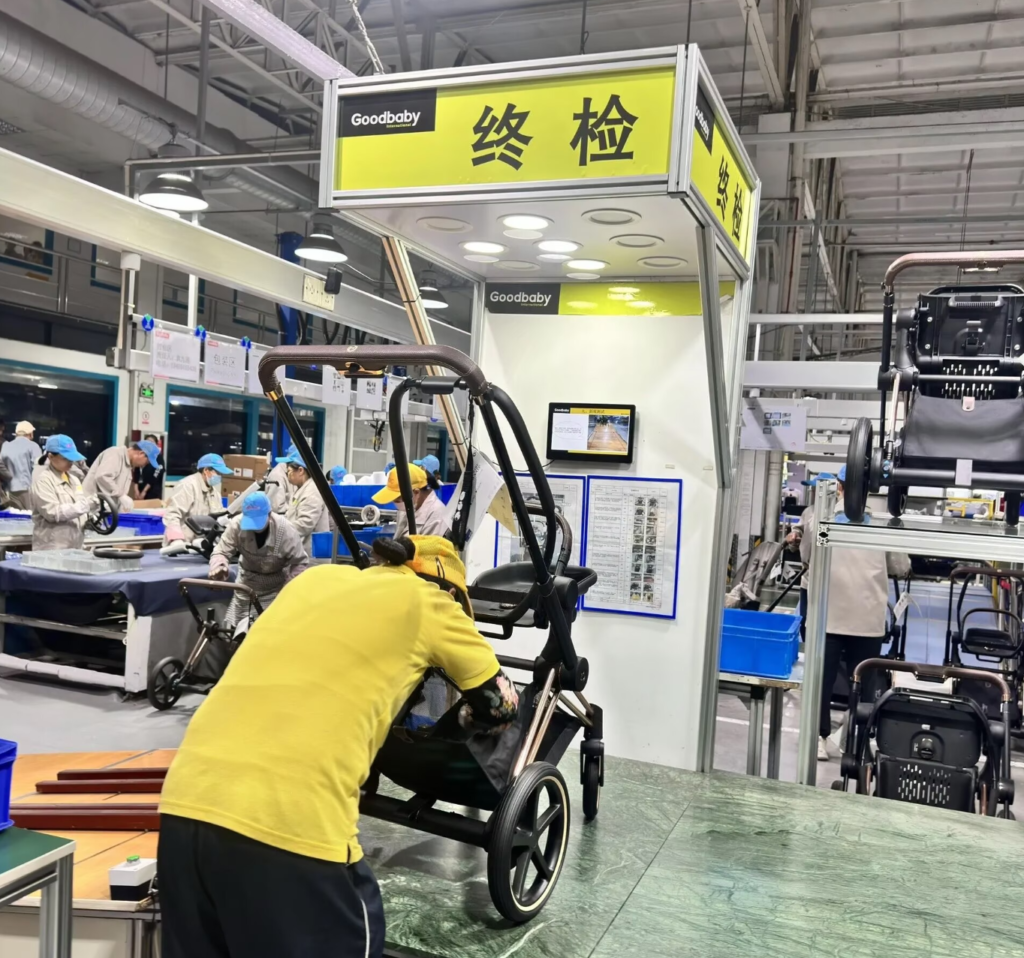
Learn everything about EN71 certification, including EN71 Parts 1, 2, and 3, testing requirements, CE compliance, and the differences between EN71 and EN1888. A complete guide for importers and OEM manufacturers.
What Is EN71 Certification?
If you are importing children’s products into Europe, understanding EN71 certification is essential.
EN71 is one of the most recognized European safety standards for toys. It is designed to help ensure that toys intended for children are mechanically safe, use acceptable materials, and do not present unacceptable chemical or flammability risks.
For manufacturers, importers, distributors, and private-label brands, meeting EN71 requirements can be an important step toward placing eligible toy products on the European market.
At Pingdi, we manufacture a wide range of children’s mobility products and toys. We help international customers understand the applicable standards for their products and support testing and compliance during OEM and ODM projects.
Which Products Need EN71?
EN71 generally applies to products classified as toys.
Examples include:
- Kids Balance Bikes (where classified as toys)
- Ride-On Toys
- Children’s Electric Ride-On Cars (where applicable)
- Plush Toys
- Building Block Toys
- Wooden Toys
- Educational Toys
- Outdoor Toys
Important: Baby strollers are generally not covered by EN71. Strollers sold in Europe typically need to comply with EN 1888, the European safety standard specifically developed for wheeled child conveyances.
Understanding which standard applies before production can help avoid unnecessary testing costs and market-entry delays.
Main Parts of EN71
EN71 Part 1 – Mechanical and Physical Properties
This section evaluates hazards related to product structure and use.
Typical assessments include:
- Sharp edges
- Small parts
- Structural strength
- Stability
- Pinch points
- Impact resistance
For children’s ride-on toys and balance bikes, these tests help verify that the product can withstand normal use.
EN71 Part 2 – Flammability
This part evaluates how quickly certain materials ignite and burn.
Common materials include:
- Fabrics
- Plush materials
- Foam
- Decorative components
Products should meet the applicable flammability limits before entering the European market.
EN71 Part 3 – Migration of Certain Elements
This section limits the migration of specific elements from toy materials.
Testing generally focuses on coatings, plastics, and other accessible materials to help reduce exposure risks.
EN71 vs. EN1888: What’s the Difference?
Many buyers confuse these two standards.
| Standard | Main Application |
|---|---|
| EN71 | Toys and many children’s play products |
| EN1888 | Baby strollers and pushchairs |
For example:
- A kids balance bike may require EN71 depending on how it is classified in the target market.
- A baby stroller is typically evaluated against EN1888 rather than EN71.
Working with an experienced manufacturer can help identify the correct testing path for each product.
Why Compliance Matters
European buyers increasingly expect suppliers to provide products that meet applicable safety requirements.
Compliance helps:
- Improve buyer confidence
- Reduce import risks
- Support retailer requirements
- Strengthen brand reputation
- Facilitate market access
Manufacturers should also maintain technical documentation, quality records, and product traceability where required.
How Pingdi Supports International Buyers
As a professional OEM manufacturer, Pingdi supports global customers with:
- OEM & ODM manufacturing
- Product development
- Factory quality control
- Production inspections
- Export documentation support
- Packaging customization
- Assistance in coordinating third-party testing
Our product range includes:
- Baby Strollers
- Kids Balance Bikes
- Children’s Electric Ride-On Cars
- Ride-On Toys
- Scooters
- Plush Toys
- Building Block Toys
For each project, we work with customers to determine which standards and testing requirements are applicable for their destination market.
Frequently Asked Questions
Is EN71 mandatory for baby strollers?
No. Baby strollers are generally assessed under EN1888, while EN71 is primarily intended for toys.
Can one factory manufacture products that require different standards?
Yes. Many OEM manufacturers produce multiple product categories. Each product should be evaluated against the standards applicable to its intended market and use.
Can Pingdi help prepare products for European markets?
Yes. We support customers through product development, manufacturing, quality control, and coordination for third-party testing and certification according to the applicable requirements.
Conclusion
Understanding the difference between EN71 and EN1888 is essential when sourcing children’s products for Europe.
Choosing the correct compliance pathway at the beginning of a project helps reduce delays, avoid unnecessary testing, and improve market readiness.
Whether you are sourcing baby strollers, balance bikes, ride-on toys, or other children’s products, partnering with an experienced OEM manufacturer can make compliance and production more efficient.