Why Baby Stroller Orders Fail: 8 Hidden Reasons Global Buyers Often Overlook
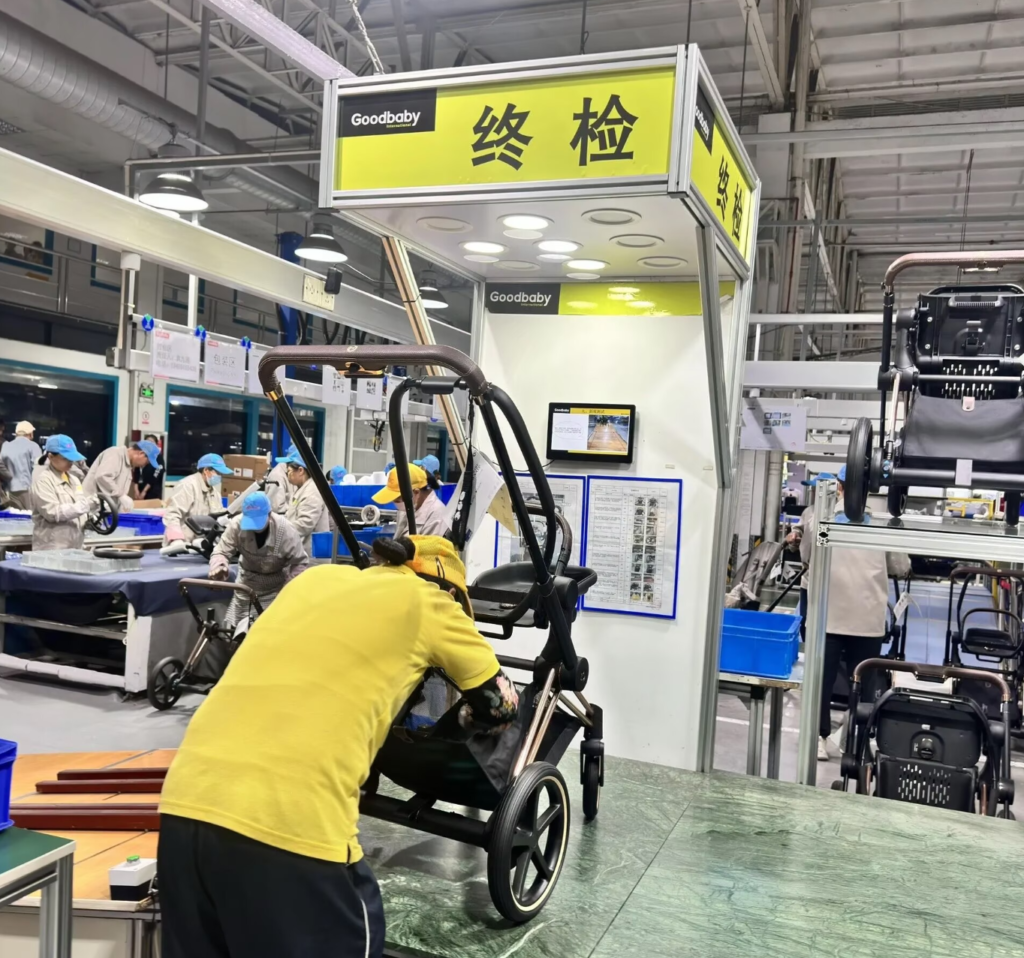
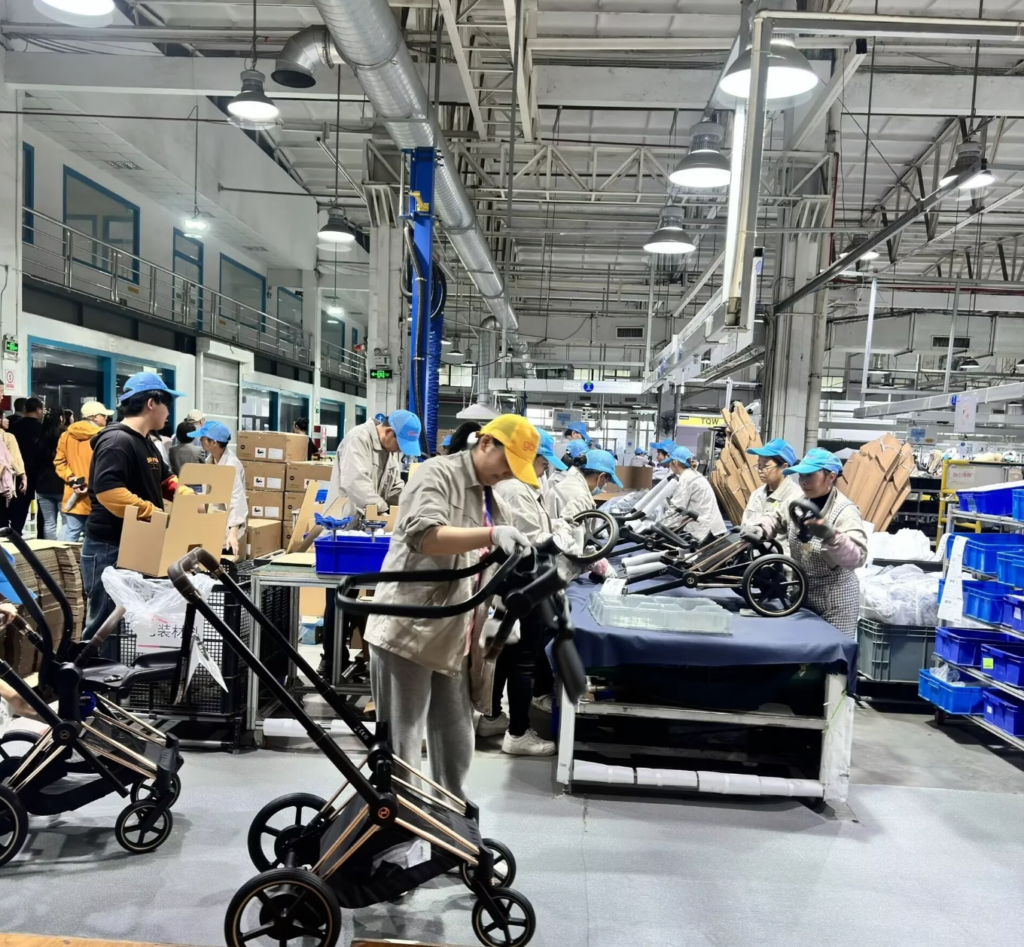
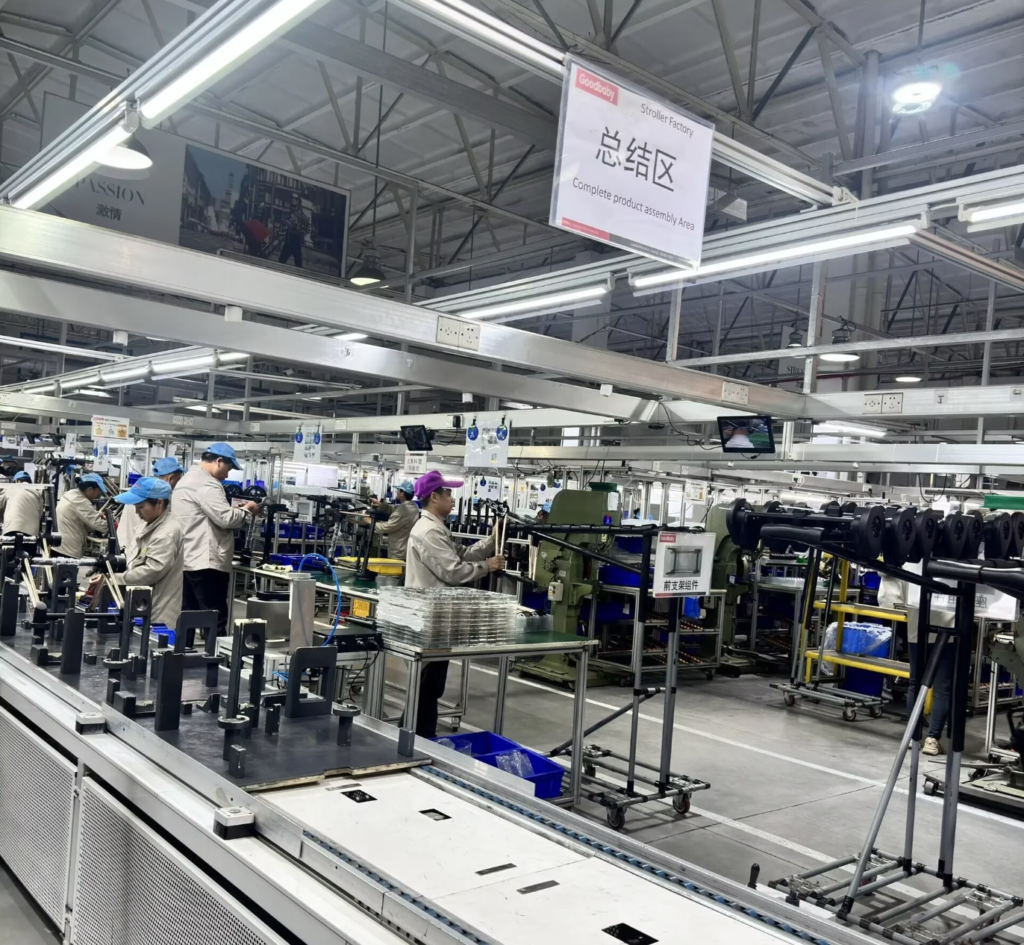
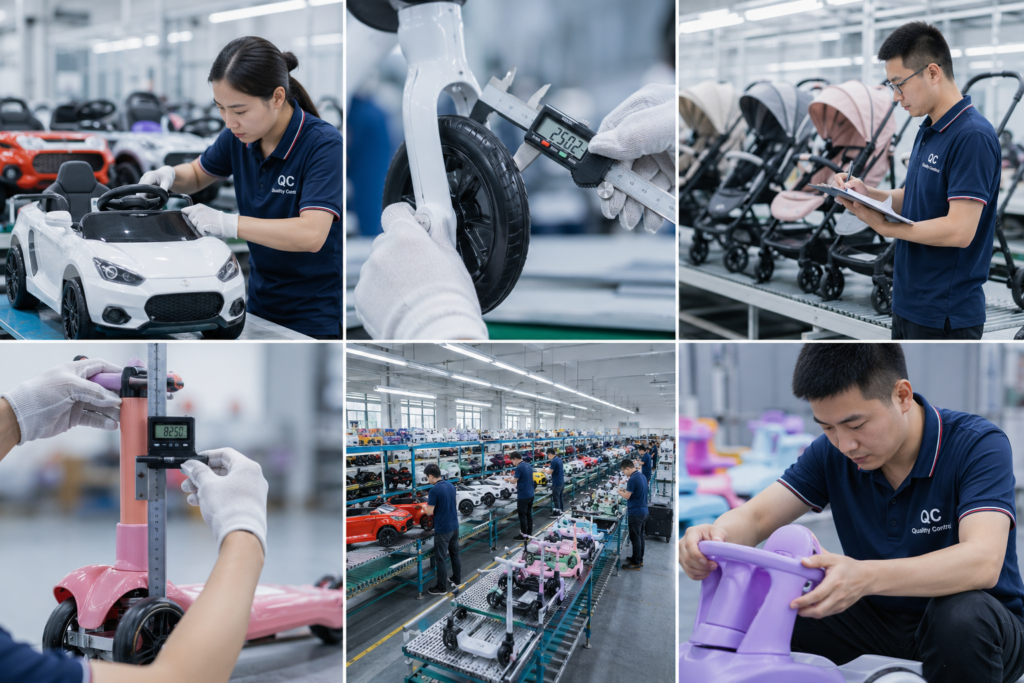
Every year, thousands of baby stroller orders are successfully delivered around the world. However, from my experience working with international brands, distributors, and retailers, I have also seen many promising projects fail before reaching the market. Interestingly, most failed stroller orders are not caused by low prices or poor factories. They usually result from mistakes made much earlier in the sourcing process. After years of manufacturing and exporting baby strollers, I’ve identified several recurring issues that repeatedly cause delays, quality disputes, unexpected costs, and even canceled partnerships. If you’re planning your next stroller project, these are the risks worth paying attention to. 1. Choosing a Supplier Based Only on Price Price is always important. But selecting the lowest quotation without understanding what’s behind it is one of the biggest reasons stroller projects fail. A factory offering a significantly lower price may reduce costs by using: The product may still look similar during sampling, but problems often appear after mass production or after consumers begin using the stroller. Professional Recommendation Instead of asking: “Who offers the cheapest price?” Ask: The total cost of ownership is far more important than the initial unit price. 2. Unclear Product Specifications Many sourcing projects begin with only several reference photos. Unfortunately, a picture never tells the whole story. Critical technical details are often missing, including: Without clear specifications, both the buyer and manufacturer may have completely different expectations. This frequently leads to: Professional Recommendation Always prepare a detailed Product Specification Sheet before confirming production. The clearer the documentation, the smoother the manufacturing process. 3. Ignoring Safety Compliance Until the Last Minute Baby strollers are safety products. Every target market has different regulatory requirements. Examples include: One common mistake is assuming certification can be completed after production. In reality, certain design features must already comply before manufacturing begins. Otherwise, the entire batch may require redesign. Professional Recommendation Compliance should be discussed during product development—not after production starts. A professional factory should evaluate compliance risks before tooling begins. 4. Weak Communication During Development One of the most underestimated risks is communication. Many buyers communicate only through simple emails. For complex OEM projects, that’s rarely enough. Small misunderstandings may involve: Each small mistake becomes expensive during mass production. Professional Recommendation Successful projects usually involve: Documentation reduces misunderstandings dramatically. 5. Skipping Pilot Production Some buyers approve one sample and immediately place a 5,000-piece order. This can be risky. A handmade prototype is very different from mass production. Only pilot production can verify: Without pilot production, hidden manufacturing problems often appear too late. Professional Recommendation Before full production, request: A small investment at this stage can prevent major losses later. 6. Poor Quality Control During Production Many buyers only arrange inspection after production is finished. By then, correcting problems becomes expensive. Professional quality control should cover three stages: Incoming Material Inspection Checking: before production begins. In-Process Inspection During assembly, inspectors verify: Problems are corrected immediately. Final Inspection Before shipment, inspectors perform: This layered approach significantly reduces customer complaints. 7. Underestimating Packaging and Logistics A perfectly manufactured stroller can still arrive damaged if packaging is poorly designed. Common logistics issues include: International shipping places heavy stress on packaging. Professional factories design packaging specifically for export transportation. Professional Recommendation Before shipment, verify: Good packaging protects both products and brand reputation. 8. Treating the Factory as Just a Manufacturer The most successful buyers don’t simply place orders. They build partnerships. A professional manufacturer contributes far more than production capacity. They provide: When buyers involve the factory early, many problems can be avoided before they happen. Manufacturing should be a collaborative process rather than a transactional one. What Successful Baby Stroller Projects Have in Common After participating in numerous international stroller projects, I’ve found that successful buyers usually focus on the following priorities: ✅ Clear technical documentation ✅ Early compliance planning ✅ Transparent communication ✅ Pilot production verification ✅ Multi-stage quality control ✅ Export-ready packaging ✅ Long-term supplier relationships These practices consistently reduce delays, lower quality risks, and improve project efficiency. Final Thoughts Baby stroller manufacturing is much more than assembling components. It involves engineering, safety compliance, quality management, supply chain coordination, logistics planning, and long-term collaboration. Most failed orders are not caused by a single major mistake. Instead, they result from a series of small risks that go unnoticed until it’s too late. The good news is that nearly all of these risks can be prevented through proper planning, open communication, and choosing a manufacturing partner with proven experience. As a manufacturer working closely with global brands, I believe our responsibility extends beyond producing strollers. Our role is to help customers identify risks early, improve production efficiency, and deliver products that meet both safety standards and market expectations. If you’re sourcing baby strollers for your next project, I’d be happy to discuss your requirements, review your product specifications, or share practical insights from our manufacturing experience. What has been the biggest challenge you’ve faced when sourcing baby strollers? I’d love to hear your experience in the comments. The discussion may help other buyers avoid the same costly mistakes.
Why Baby Stroller Orders Fail: 8 Hidden Reasons Global Buyers Often Overlook Read More »